Same day rubbish collection delays and how to avoid them in Bow
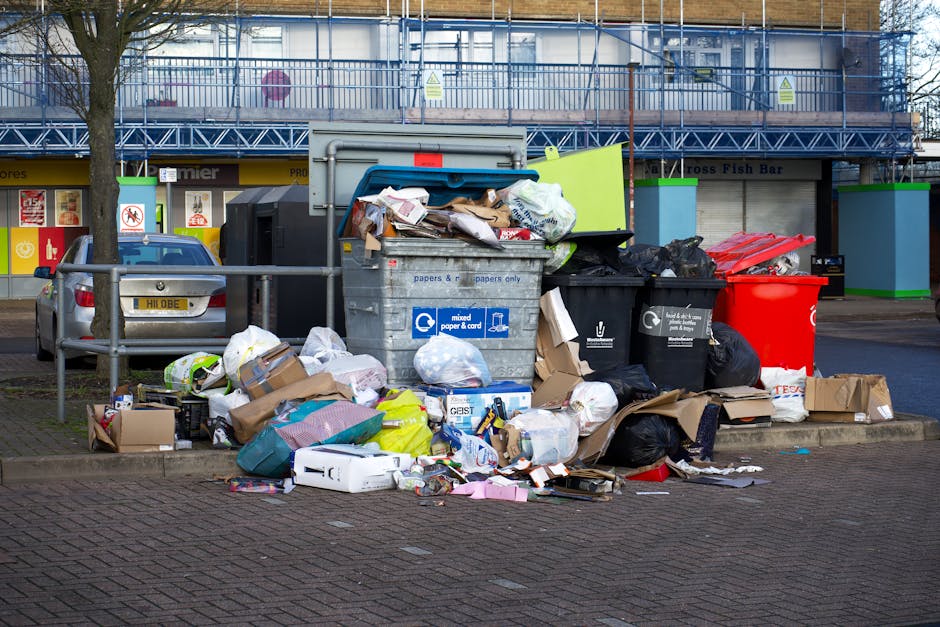
Same day rubbish collection sounds simple enough: book in the morning, have the waste gone by the afternoon, and carry on with your day. In practice, though, delays happen. Traffic on local roads, unclear access, extra waste that was not mentioned at booking, or a last-minute change in building security can all slow things down. If you live or work in Bow, those small hiccups can turn a quick clearance into a frustrating wait.
This guide breaks down same day rubbish collection delays and how to avoid them in Bow in a way that is practical, local, and genuinely useful. You will learn what usually causes hold-ups, how same day collection works, what to prepare before the team arrives, and how to choose the right service for the job. A little planning goes a long way. Honestly, it saves more stress than most people expect.
Expert summary: The quickest same day collections are the ones where the booking details are accurate, access is easy, the waste is described properly, and the customer is ready when the team arrives. That is the short version. The longer version is below.
Why Same day rubbish collection delays and how to avoid them in Bow Matters
When rubbish needs clearing quickly, timing is the whole point. A delay can affect a landlord handover, a shop refit, an office clean-up, a flat move, or a garden project that has already filled the wheelie bins and then some. In Bow, where streets can be busy and parking can be awkward at certain times, even a well-organised job can get slowed down by simple logistics.
Delays matter for more than convenience. They can create a knock-on effect that feels oddly disproportionate: one missed slot and suddenly the hallway is full of bags, the builders are waiting, or the flat is not ready for the next person. To be fair, rubbish clearance is one of those tasks that looks easy from the outside. But anyone who has had to shift a sofa down two flights of stairs while the lift is out knows better.
Local context also matters. Bow has a mix of residential streets, flats, shops, and light commercial premises. That means a collection crew may need to manage stairwells, permits, loading access, traffic flow, and shared entrances all at once. If any one of those pieces is unclear, the same day service can still happen, but it may not happen quickly.
There is another reason this topic deserves attention: people often assume delays are entirely the provider's fault. Sometimes they are. Just as often, the problem starts with incomplete booking information. A missed photo, a wrong estimate of volume, or a forgotten locked gate can be enough to throw the schedule off. The good news? Most of that is avoidable.
How Same day rubbish collection delays and how to avoid them in Bow Works
Same day rubbish collection usually follows a fairly straightforward flow. You request a collection, describe the waste, agree an estimated arrival window, and the crew comes out if capacity allows. If everything matches what was discussed, the collection can be completed quickly. If not, the team may need extra time, extra labour, or even a revised quote.
In Bow, the practical reality often comes down to access and timing. A collection booked for late morning may be delayed if the vehicle struggles to stop safely, if parking is blocked, or if the team needs to wait for a gate code or a resident to arrive. Small stuff. But small stuff is what eats minutes, and minutes matter on a same day run.
In many cases, delays fall into one of these patterns:
- Booking delays: the team cannot confirm the job quickly because the details are incomplete.
- Access delays: they arrive, but cannot reach the waste or park safely nearby.
- Load delays: the amount or type of waste is different from what was described.
- Scheduling delays: a previous job overruns or traffic disrupts the route.
- Approval delays: a landlord, concierge, neighbour, or site contact is not ready when needed.
If you want a smoother experience, think in terms of preparation, not just speed. Good same day collection is not magic. It is coordination. A provider offering waste removal will usually work faster when the waste is clearly grouped, access is explained in advance, and the collection point is easy to identify when the crew arrives.
That is why the best same day jobs feel almost boring in the best possible way. No scrambling, no second-guessing, no wandering around the block on the phone. Just collect, load, leave.
Key Benefits and Practical Advantages
The obvious benefit is speed. But the real value of same day rubbish collection is often about reducing disruption. When waste is removed quickly, the space becomes usable again sooner, which can be a big deal if you are dealing with a flat clearance, a refurbishment, or a business premises that needs to reopen.
Here are the main advantages people usually notice:
- Less clutter: bags, furniture, and mixed rubbish are gone before they become a bigger problem.
- Lower stress: you are not left waiting around with a half-finished job.
- Better timing for trades or moving day: cleaners, decorators, or removers can work without obstruction.
- Cleaner presentation: useful for landlords, agents, or businesses that want the place looking decent fast.
- Reduced risk of missed deadlines: especially when there is a handover, inspection, or opening date.
There is also a practical financial angle, even if people do not always say it out loud. A delay can mean an extra day of rent, another hour of labour, or a second booking for a contractor. If you can avoid that chain reaction, you usually come out ahead. Not glamorous, just sensible.
For household jobs, same day clearance can be especially helpful after a big sort-out. A home clearance is often one of those tasks that starts with "just a few bags" and ends with a much larger pile than expected. Getting it removed the same day can stop the mess from spreading into the next room. You know how it goes.
Who This Is For and When It Makes Sense
This service is not only for emergencies. It makes sense any time time is tighter than usual, or when you simply want the waste gone without dragging the process out for days. In Bow, that often includes people dealing with flats, shared buildings, small businesses, and renovation work.
Typical users include:
- Homeowners and tenants clearing out bulky or mixed household waste
- Landlords and letting agents preparing a property between occupancies
- Tradespeople finishing a job and needing site waste gone fast
- Office managers dealing with desks, packaging, or old equipment
- Shop or cafe owners making room during a refit or deep clean
- People moving home who need a quick, clean reset before keys are handed over
It also makes sense when waste is awkward, bulky, or hard to move in your own vehicle. A worn-out wardrobe, broken chairs, loft clutter, garden cuttings, or builders' offcuts all become less appealing once you realise there is no lift and the car boot is already full. That is where professional help tends to pay for itself in sanity, if not in actual coin.
If the job involves furniture, a dedicated furniture clearance or furniture disposal approach can be more efficient than a vague all-purpose booking, because the team knows what kind of loading space and handling time to expect.
Step-by-Step Guidance
If you want to avoid same day delays, the best approach is to prepare before you call, then keep the handover simple. Here is the process I would recommend in real life, not just on paper.
1. Sort the waste into clear groups
Start by separating general rubbish, bulky items, garden waste, builder-style debris, and anything that may need special handling. Even a rough sort helps. Mixed waste is not a problem, but it is slower when nobody knows what is where.
2. Take quick photos
Photos are one of the easiest ways to reduce confusion. A few wide shots and one or two close-ups can show volume, access, and whether there are awkward items like mattresses, broken cabinets, or loose rubble. If you have ever tried to describe a heap of old stuff over the phone, you will know why this matters.
3. Check access before booking
Ask yourself: can a vehicle stop nearby? Is the entrance locked? Is there a lift? Are there stairs? Is there a loading restriction or a narrow courtyard? If the answer to any of these is uncertain, say so early. Honest uncertainty is much better than a confident guess that turns out to be wrong.
4. Be realistic about volume
The fastest collections usually come from accurate estimates. Understating the amount of waste can lead to delays because the crew may need extra time or another vehicle. Overstating it can make the booking less efficient than it needs to be. Aim for accuracy, not optimism.
5. Confirm timing and contact details
Same day work runs on communication. Make sure the phone number is correct and that someone can answer it. If the team arrives and cannot reach you, the clock starts working against everyone.
6. Prepare the waste near the access point if possible
If it is safe to do so, move items closer to the exit or parking point beforehand. Do not block fire exits or shared walkways, of course. But if you can put bags in one place and bulky items in another, loading becomes much smoother.
7. Ask about the likely arrival window
Not every collection can be pinned to the minute, especially on a busy day. But a sensible arrival window helps you plan around school runs, work calls, or building access. And yes, the old "we'll be there sometime after lunch" can be slightly maddening. Still better than silence.
If the job is connected to a larger clearance project, it may also be worth planning around other services such as house clearance, loft clearance, or garage clearance so the team can remove everything in one efficient visit rather than making repeat journeys.
Expert Tips for Better Results
After enough collections, certain patterns become obvious. The jobs that run best are rarely the fanciest ones. They are the ones where everyone involved makes things easy for the crew.
- Keep one person in charge of the booking. Too many voices create mixed instructions. One contact, one version of events.
- Send photos before the day if possible. This can prevent the awkward surprise where the waste is twice the size expected.
- Label anything odd or hazardous-looking. Paint tins, sharp metal, chemicals, broken glass, and electrical items all deserve attention.
- Allow a little breathing room in your schedule. Same day means fast, not always exact. A 30-minute cushion can save a lot of irritation.
- Make parking and entry simple. If there is a way to reserve a space legally, do it. If not, say so.
A small but useful tip: if the waste is spread through several rooms, gather it into one or two clear pile points before the crew arrives. That one step can reduce loading time more than people expect. It also helps prevent missed items under beds, behind doors, or in that one corner everyone forgets about.
Another point that gets overlooked is building communication. In flats, the difference between a smooth job and a slow one is often whether the concierge, neighbour, or building manager knows the team is coming. A quick heads-up can prevent a lot of doorbell ringing and mild chaos in the hallway.
If you need a commercial collection, a service such as office clearance or business waste removal is usually more effective when staff know what can be moved, what stays, and who is signing off the job. Bureaucracy is not fun, but it does keep things moving.
Common Mistakes to Avoid
This section is where many same day delays begin. Not because the service is poor, but because the booking did not tell the full story.
- Being vague about the waste: "just a few bits" can mean almost anything.
- Forgetting access details: stairs, locked gates, concierge requirements, and parking limits matter.
- Leaving the waste in separate rooms: that sounds harmless until the crew is carrying items back and forth.
- Assuming everything can be taken: some materials need special handling, so ask first.
- Booking without checking your own schedule: if nobody is available to let the team in, delays are basically guaranteed.
- Not considering the size of bulky items: wardrobes, sofas, and beds can be awkward in tight stairwells.
One real-world issue that catches people out is "hidden volume." A loft or garage often looks manageable from the doorway, but once things start moving, the pile is bigger than expected. The light fades a bit, the dust is everywhere, and suddenly everyone is a philosopher. Better to account for that in advance.
If the job involves mixed household items, a broader flat clearance or garage clearance can be a better fit than trying to describe the work as generic rubbish removal. The more precise the description, the less room there is for delay.
Tools, Resources and Recommendations
You do not need fancy software to organise a same day collection. A phone, a camera, and a short written note are usually enough. Still, a few simple tools can make life easier.
- Photo gallery on your phone: keep the waste images together so you can send them quickly.
- Notes app: list the items, rough quantity, and any access issues in one place.
- Message thread or email: helps you keep the booking details consistent.
- Door code or access instructions: save them clearly so nothing gets lost in a hurry.
For larger domestic projects, it is sensible to think in stages. For example, a house clearance might begin with obvious rubbish, then move into furniture, then into the loft or shed. If you plan the order, the team can often work more cleanly and avoid backtracking.
For outdoor jobs, especially after a wet spell in Bow when everything feels a bit heavier than it should, grouping the waste by type helps. Green waste, broken pots, fencing, and old tools are easier to handle when they are separated before collection. A dedicated garden clearance can be more efficient than a broad "miscellaneous waste" request.
And for anyone comparing providers, do not just look at the earliest available slot. Check whether the company explains pricing clearly, asks useful questions, and sets expectations honestly. Those are usually the signs of a smoother job. If the booking feels rushed in the first three minutes, it often stays rushed.
Law, Compliance, Standards and Best Practice
Waste removal in the UK is not just a matter of loading a van and driving off. There are legal and practical expectations around safe handling, responsible disposal, and avoiding fly-tipping. You do not need to become an expert yourself, but it helps to know the basics.
As a customer, the safest approach is to use a provider that can explain how waste is handled and recycled in ordinary language. If the team asks sensible questions about what is being collected, that is a good sign. It usually means they are thinking about load type, safety, and disposal routes rather than just speed.
There are also practical standards worth expecting:
- Clear communication about what can and cannot be taken
- Safe lifting and loading practices so nobody is put at unnecessary risk
- Respect for shared buildings and public spaces
- Responsible disposal and recycling where suitable
- Transparent terms and pricing so there are fewer surprises
If you are arranging a clearance for a workplace, the responsibilities are a bit broader. A business should think about access, staff safety, and whether the removal interferes with operations. That is why services such as office clearance often work best when scheduled with a clear point of contact and a tidy plan for what stays and what goes.
For customers, one straightforward best practice is to keep hazardous or unusual materials separate until you have confirmed they can be accepted. Do not leave mystery items in a pile and hope for the best. It sounds obvious, but you would be surprised how often that happens.
Options, Methods, or Comparison Table
When you need rubbish gone quickly in Bow, you usually have a few paths available. Choosing the right one depends on volume, urgency, access, and how much lifting you want to do yourself.
| Option | Best for | Typical strengths | Possible drawbacks |
|---|---|---|---|
| Same day rubbish collection | Urgent clear-outs, bulky waste, time-sensitive jobs | Fast, convenient, minimal disruption | Needs accurate booking details and access preparation |
| Self-transport to a disposal point | Very small loads and flexible schedules | Can be cheaper in direct costs | Time-consuming, labour-heavy, parking and vehicle hassles |
| Planned next-day or scheduled clearance | Non-urgent jobs with more time to prepare | More flexible planning, often easier to organise | Not suitable when deadlines are tight |
| Specialised clearance service | Furniture, lofts, offices, garages, gardens | Better fit for specific waste types and access issues | May need more detailed booking information |
In many real situations, the best choice is the one that keeps the job simple. For example, if the waste is mostly old furniture, a focused furniture clearance is often easier than a general same day collection request with no detail. That one small distinction can save a lot of back-and-forth.
Case Study or Real-World Example
Here is a realistic example from the sort of job people often need in Bow. A tenant is moving out of a two-storey flat and discovers, at the last minute, that an old bed frame, several bags of mixed rubbish, and a broken chest of drawers still need to go. The keys have to be handed back by early evening. No drama, except the whole corridor now looks like a depot.
The first booking attempt would likely be delayed if the tenant simply says "a few items, same day if possible." That tells the provider almost nothing. Better would be a quick message with photos, floor level, access notes, and the fact that the lift is out of service. That immediately sets expectations. The crew can plan for carrying items down stairs, estimate the time more accurately, and decide whether the collection fits their route.
In this kind of situation, the collection usually runs faster when:
- the items are grouped near the door
- the stair route is clear
- someone is present to confirm what is leaving
- the booking includes the real volume, not the optimistic version
The result is not just a quicker visit. It is less friction all round. No one is waiting for clarification, and no one is debating whether the old chair belongs in the pile. Very civilised, really.
That same logic works for business settings too. A small company in Bow clearing out old desks and packaging will save time if the office manager confirms the access time, loading area, and item list before the van arrives. A clear plan beats a rushed one every time.
Practical Checklist
Use this before your same day collection to reduce the risk of delay:
- Confirm the waste type and approximate amount
- Take a few clear photos
- Check access, parking, and entry details
- Make sure someone can answer the phone
- Gather items into one easy-to-reach area if safe
- Separate anything unusual or potentially restricted
- Let the building manager or concierge know if needed
- Keep the path to the waste clear
- Have payment or quote details ready in advance
- Allow a realistic arrival window rather than expecting minute-perfect timing
Quick reminder: if the team has to solve access problems on arrival, that is where delays begin. If they can walk in, identify the waste, and get on with the job, you are already halfway there.
Conclusion
Same day rubbish collection can be fast, smooth, and genuinely useful in Bow, but only when the booking is prepared properly. Most delays come from avoidable issues: incomplete descriptions, awkward access, poor communication, or unrealistic expectations about timing. Sort those out early and the whole process becomes easier.
The main thing to remember is this: speed depends on clarity. If you know what needs to go, where it is, how the team will access it, and who they can contact, you have already reduced the risk of delay more than most people do. That is the real secret, if there is one.
If you are planning a clear-out, comparing service options, or trying to meet a deadline without the usual last-minute scramble, now is the right time to organise it properly. A little preparation can turn a stressful day into a manageable one, and sometimes that is the difference between feeling behind and feeling back in control.
Get a free quote today and see how much you can save.
Frequently Asked Questions
Why do same day rubbish collections get delayed in Bow?
The most common reasons are unclear booking details, access problems, parking issues, and traffic. In Bow, flats and shared buildings can also slow things down if the team cannot get inside quickly.
How can I avoid same day collection delays?
Provide photos, describe the waste clearly, check access in advance, and make sure someone is available by phone. Clear information at booking stage makes the biggest difference.
Do I need to sort the rubbish before collection?
You do not always need a perfect sort, but it helps to separate obvious categories such as furniture, bags, garden waste, and bulky items. That usually makes loading faster.
Will a lift or stairs affect the timing?
Yes. If the crew needs to carry items up or down stairs, the job can take longer. Mentioning this upfront is one of the simplest ways to avoid delay.
Can same day rubbish collection handle bulky items?
Usually yes, provided the provider knows about them in advance. Sofas, wardrobes, and beds often need a bit more planning than bagged waste.
What if I am not sure how much waste I have?
Send photos and give your best estimate. A rough but honest description is far more useful than guessing too low and causing delays on arrival.
Is same day rubbish collection suitable for offices in Bow?
Yes, especially for urgent clear-outs, old furniture, packaging, and general office waste. A service such as office clearance is often a better fit than a very broad booking.
What should I do before the collection team arrives?
Clear access, check the waste is in one place if safe to do so, and make sure the contact person is ready. If you live in a flat or managed building, it may help to alert the building contact too.
Are there any items that might cause delays because of special handling?
Yes. Items such as paint, chemicals, sharp materials, or certain electrical goods may need extra checks. If in doubt, mention them before booking.
Is a same day service always guaranteed?
Not always. It depends on availability, job size, and access. A good provider will be clear about what can realistically be done that day.
What is the best way to speed up a collection in a tight deadline?
Send photos, keep the waste accessible, confirm your contact details, and be honest about the volume. That combination usually prevents the most common delays.
Can same day rubbish collection work for garden waste or garage clear-outs?
Yes, and these are often ideal same day jobs when the items are grouped sensibly. A dedicated garden clearance or garage clearance can be particularly efficient if the load is clearly described.
For a smoother experience and a more accurate booking, explore the service details on recycling and sustainability, review the company's pricing and quotes guidance, and learn more about the team on the about us page. If you are ready to talk through the job, the contact page is the best next step, and the insurance and safety information is worth a look if you want extra peace of mind.