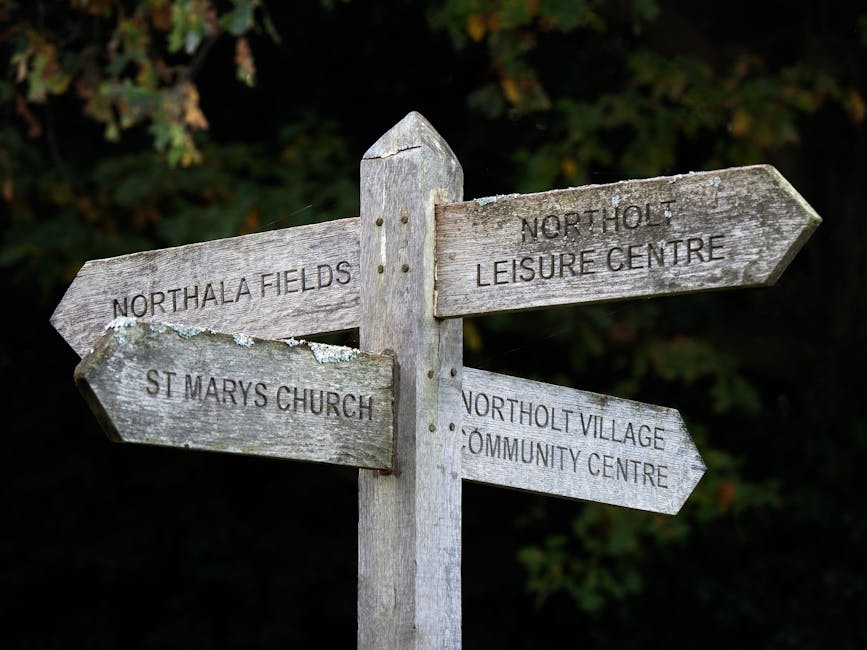
St Marys Park rubbish clearance guide for local gardens
If your garden in or around St Marys Park has started to feel more like a dumping ground than a place to relax, you are not alone. Old planters, broken fence panels, bags of cuttings, weeds, rotting timber, and the odd bit of builder's debris can build up quietly, then suddenly the whole space feels out of control. This St Marys Park rubbish clearance guide for local gardens is here to help you sort it properly, safely, and without making a bigger mess in the process.
Whether you are clearing after a long winter, tidying before a property sale, or just trying to get your outdoor space back before the weekend, the basics are the same: sort what you have, separate garden waste from general rubbish, avoid common disposal mistakes, and choose the right clearance method for the job. A tidy garden is rarely just about appearance, either. It can reduce trip hazards, make maintenance easier, and stop waste from attracting pests or blowing around the neighbourhood on a windy day. Let's face it, nobody wants a black bag sprinting down the path at 7am.
For bigger or mixed loads, it can also make sense to look at wider support such as garden clearance, waste removal, or even recycling and sustainability guidance if you want to keep as much as possible out of landfill.
Table of Contents
- Why this matters for local gardens
- How the clearance process works
- Key benefits and practical advantages
- Who this is for and when it makes sense
- Step-by-step guidance
- Expert tips for better results
- Common mistakes to avoid
- Tools, resources and recommendations
- Law, compliance, standards and best practice
- Options and comparison table
- Case study or real-world example
- Practical checklist
- Conclusion
- Frequently asked questions
Why St Marys Park rubbish clearance guide for local gardens Matters
Garden rubbish clearance is one of those jobs that looks simple until you start lifting things. Then you notice the awkward bits: half-filled rubble sacks, damp cardboard, a rusted grill, soil mixed with broken pots, and a stack of branches that have somehow become heavier overnight. In a local area like St Marys Park, where outdoor spaces are often compact and access can be tight, clearing waste well matters even more.
A proper garden clearance is not just about making the space look neat. It helps you protect paving, lawn edges, sheds, and fences from damage caused by clutter piling up too long. It also reduces slips and trips, which is especially useful if children, older relatives, or visitors use the garden. And if you are trying to revive a neglected patch, clearing the rubbish first gives you a clean starting point for planting, landscaping, or simple maintenance.
There is another angle too: sorting waste correctly makes the entire process easier to manage. Green waste, wood, metal, plastics, and mixed rubbish do not all behave the same once they are piled together. A little sorting at the start can save a lot of frustration later. Truth be told, the first fifteen minutes often decide how smooth the rest of the job feels.
Expert summary: The best local garden clearances are the ones that start with sorting, continue with safe handling, and finish with responsible disposal. If you do those three things well, the rest is usually much easier than people expect.
How St Marys Park rubbish clearance guide for local gardens Works
The process is usually more straightforward than people think, but the order matters. Start by walking the whole garden and identifying what needs to go. Not everything in a tired outdoor space is "rubbish" in the strict sense. Some items are reusable, some need special handling, and some can be composted or recycled if sorted properly.
In practice, a garden clearance normally works in stages:
- Survey the area. Check the garden, side return, shed entrance, and any hidden corners where waste tends to collect.
- Separate the load. Split green waste, general rubbish, bulky items, and any awkward materials like soil, rubble, or timber.
- Remove hazards first. Glass, nails, sharp metal edges, broken pots, and unstable stacks should be dealt with early.
- Bag and stack properly. Use strong bags or containers so the rubbish stays manageable and does not spread during handling.
- Load in a sensible order. Heavier items, then bulky waste, then lighter loose material.
- Finish with a sweep-through. Check for small debris, loose screws, ties, and cuttings left behind in beds or paving joints.
If the job is fairly modest, you might only need a focused tidy-up. If the space has mixed waste, damaged furniture, broken fencing, or old household items dumped outside, then a broader service such as home clearance or house clearance can make sense because the waste often spills over from indoors to outdoors.
One small but useful point: wet waste is heavier. A soggy pile of leaves or cuttings can feel twice the weight after a rainy night, which is very much a London garden problem in the colder months.
Key Benefits and Practical Advantages
A well-planned garden rubbish clearance gives you more than a tidy view from the back door. The benefits are practical, immediate, and often surprisingly motivating. Once the clutter starts coming out, the whole garden usually feels larger. Cleaner too. Even a few square metres can suddenly look usable again.
- More usable space: Once the rubbish goes, you can actually see what the garden can become.
- Better safety: Fewer sharp edges, unstable piles, or hidden objects under leaves and debris.
- Easier maintenance: Mowing, pruning, and weeding all become less frustrating when the surface is clear.
- Improved appearance: A tidy garden lifts the whole property, especially if you are expecting visitors or thinking about moving.
- Less pest attraction: Old food waste, damp cardboard, and rotting material can invite unwanted visitors.
- Better recycling outcomes: Sorting the waste properly gives more chance of reuse or responsible processing.
There is also a subtle emotional benefit. People often underestimate how draining a messy garden can feel. You glance out, see the clutter, and mentally file the job under "I'll deal with it later." Once it is gone, the space often gives something back. A bit of breathing room. That counts.
Who This Is For and When It Makes Sense
This guide is useful for anyone dealing with garden clutter, but it is especially relevant if you are managing one of these situations:
- You have just finished pruning, cutting back hedges, or clearing an overgrown patch.
- A tenant, previous owner, or neighbour has left garden waste behind.
- You are preparing a property for sale, rent, or a family visit.
- The shed, side return, or back path has become a dumping spot.
- You are dealing with a mix of green waste and general rubbish.
- You need the garden cleared quickly before landscaping or repairs.
It also makes sense if you have bulky items that are awkward to move alone, such as broken decking pieces, old garden chairs, plant pots, water butts, fencing offcuts, or bags of soil. If the waste is mostly garden-related, garden clearance is the natural fit. If it includes damaged household items stored outside, a service like furniture clearance or furniture disposal may be more appropriate. Small detail, but it matters.
Sometimes the biggest trigger is simply time. If you keep saying, "I'll sort it next weekend," and three weekends later nothing has changed, that is usually the sign to get a plan in place.
Step-by-Step Guidance
Here is a clear way to approach a garden rubbish clearance without making it harder than it needs to be.
- Start with a full walk-through. Look beyond the obvious piles. Check behind bins, under bushes, beside sheds, and along fences.
- Create three simple groups. Green waste, general rubbish, and bulky or special items. You do not need a complicated system.
- Remove the dangerous pieces first. Broken glass, nails, rusty metal, and sharp plastic edges should be handled carefully before anything else.
- Deal with green waste separately where possible. Branches, grass cuttings, hedge trimmings, and leaves are usually easier to manage if they stay together.
- Check for reusable items. Some pots, timber offcuts, or tools might still have life left in them. Not everything needs to be thrown out.
- Bag loose waste securely. Avoid overfilling. A bag that splits halfway to the gate is just annoying, and messy.
- Load in stages. Keep heavy items low and stable. Stack carefully so nothing slides.
- Finish with a detailed sweep. Rake through borders, brush up paving, and check corners for small debris.
If you are clearing after garden work, it can help to combine the job with a quick assessment of what else is hanging around. Old items in the garage or shed often surface during a garden tidy, which is why some households end up needing garage clearance at the same time. Annoying, yes. Common, also yes.
A practical tip: do the job in daylight if you can. Morning light makes it much easier to spot broken fragments and hidden waste than a rushed late-afternoon clear-up ever will.
Expert Tips for Better Results
After seeing how these jobs tend to unfold, a few habits consistently make a real difference.
- Work from the edges inward. It stops you treading waste back into already-cleared areas.
- Keep one container for sharp or awkward waste. It reduces the chance of injury while you work.
- Separate wet green waste early. If it sits too long, it gets heavier and harder to move.
- Don't mix soil with everything else. Soil and rubble can quickly make a load much heavier than expected.
- Use smaller loads rather than one overstuffed one. It is safer and usually faster overall.
- Leave a final "inspection pass". A quick check after loading catches the bits you miss the first time.
Another useful habit is to think about where the waste came from in the first place. If clutter is repeatedly building up, you may need a long-term fix, not just a one-off sweep. A better storage setup, a compost area, or a routine cut-back schedule can keep the space usable. Not glamorous, but effective.
And if you are trying to clear everything in one go, don't be too proud to ask for help. Two people can move awkward branches, old sleepers, or saturated sacks far more safely than one person trying to muscle through it. Been there, regretted that.
Common Mistakes to Avoid
The most common mistakes are usually simple, which is why they keep happening. The good news is they are easy to avoid once you know what to watch for.
- Mixing all waste together: This makes sorting, lifting, and disposal much harder than it needs to be.
- Ignoring hidden debris: Small fragments in borders or paving joints can remain after the main pile is gone.
- Overfilling bags: Too much weight leads to splitting, back strain, and frustration.
- Leaving wet waste in piles too long: It becomes heavier, smellier, and less pleasant to handle.
- Forgetting access routes: If the side path is narrow or uneven, plan the movement carefully first.
- Using the wrong clearance option: Garden waste, household furniture, and construction debris are not all the same thing.
One mistake people rarely talk about is underestimating time. A garden that looks "fine enough" from the patio can turn into a bigger job once you start lifting layers of waste. That's normal. It just means giving yourself enough margin instead of rushing the last 20% of the job.
If your waste includes leftover material from repairs, decking work, or hard landscaping, you may be looking at something closer to builders waste clearance than a simple green waste job. Wrong label, wrong expectations, messy outcome.
Tools, Resources and Recommendations
You do not need a van-load of specialist kit to clear a garden properly, but a few basic tools make life easier.
| Item | Why it helps | Best use |
|---|---|---|
| Heavy-duty gloves | Protects hands from thorns, splinters, and sharp waste | General handling and sorting |
| Strong rubble sacks | Handles heavier loads better than thin bags | Mixed garden waste and heavier debris |
| Rake and broom | Useful for collecting leaves and clearing paths | Final tidy-up |
| Wheelbarrow | Reduces repeated carrying and strain | Moving branches, soil, or bulky items |
| Secateurs or pruning saw | Helps break down oversized cuttings safely | Trimming long branches into manageable pieces |
For a wider tidy-up, some households also look at loft clearance or flat clearance if the garden clutter is tied to an interior clear-out. That sounds a bit random, but it happens more often than you'd think when someone is decluttering the whole property in one sweep.
If you want a straightforward next step, it is usually worth reviewing pricing and quotes so you can compare your options calmly before making a decision. And if you want to understand how a provider approaches responsible processing, recycling and sustainability is the page to look at.
Law, Compliance, Standards, or Best Practice
For garden rubbish clearance in the UK, the safest approach is to follow general waste-handling best practice and use properly authorised disposal routes. You do not need to become a legal expert to do this well, but you should be careful about who takes the waste and how it is handled.
In plain English, that means:
- Do not fly-tip waste, even if it is "just a small pile".
- Keep hazardous items separate where relevant.
- Make sure waste is passed to a responsible collector or disposal route.
- Ask questions if you are unsure how mixed waste will be managed.
If a service provider is handling your rubbish, it is sensible to look at trust and safety information too. Pages such as health and safety policy, insurance and safety, and about us can help you judge how seriously they treat the work. That reassurance matters more than people think, especially when there are heavy or awkward items involved.
For your own side of things, keep pathways clear, avoid lifting beyond your comfort level, and treat hidden sharp objects with respect. Garden waste looks soft and harmless until it bites back. Slightly dramatic, but only slightly.
Options, Methods, or Comparison Table
There is no single right way to handle local garden rubbish clearance. The best option depends on the size of the job, the type of waste, and how quickly you need the space back. Here is a simple comparison.
| Method | Best for | Pros | Trade-offs |
|---|---|---|---|
| DIY bag-and-tip approach | Small, light garden clearances | Low cost, flexible timing | Labour-heavy, time-consuming, awkward for bulky waste |
| Mixed waste collection | Gardens with branches, rubbish, and bulky debris | Convenient for varied loads | May cost more than a simple green waste-only job |
| Full garden clearance service | Overgrown or heavily cluttered gardens | Fast reset of the whole space | More involved than a small tidy-up |
| Combined property clearance | Garden waste plus indoor clutter | Efficient if the whole home needs attention | Can feel like a bigger job to organise |
For many people, the middle option is the sweet spot. Enough help to avoid wrestling with heavy bags and awkward furniture, but not so broad that the job feels overcomplicated. If the outdoor clutter links to a bigger home tidy-up, furniture disposal can also be relevant when broken outdoor seating or storage items are part of the problem.
Case Study or Real-World Example
Here is a typical local scenario. A small rear garden has been used as a holding area for old plant pots, branches, broken trellis, a cracked bench, and several bags of cuttings left after a long weekend of pruning. Nothing looks outrageous at first glance, but once you begin, you realise the waste is spread across three corners of the garden and partly blocking access to the shed.
The first sensible move is sorting. The green waste goes in one place, the broken wood and trellis in another, and the bulky bench is set aside so it does not get in the way. The next step is to clear the path to the gate. That sounds obvious, but it makes the rest of the job easier and safer.
By the end of the process, the garden looks calmer. You can see the paving again. The shed door opens properly. The lawn edge, which had been hidden under debris, is visible for the first time in months. Small win, but a satisfying one.
That kind of result is often what people really want: not perfection, just a usable, tidy space they can look at without feeling stressed every time they put the kettle on. Sometimes a simple reset is all a garden needs.
Practical Checklist
Use this checklist before you start clearing. It keeps the job focused and cuts out a lot of avoidable hassle.
- Walk the entire garden and note every waste pile.
- Separate green waste from general rubbish.
- Identify any sharp, heavy, or awkward items early.
- Check access through gates, side paths, and sheds.
- Set aside reusable items before loading anything else.
- Use strong gloves and suitable bags or containers.
- Avoid overfilling sacks or lifting more than is safe.
- Keep the final sweep to catch small debris and hidden fragments.
- Confirm which clearance method fits the waste type best.
- Review safety, recycling, and disposal information before booking help.
If you are comparing service details, it can also help to check practical pages like payment and security and complaints procedure. Not the exciting part, granted, but it tells you a lot about how a business operates.
Get a free quote today and see how much you can save.
Conclusion
A good St Marys Park rubbish clearance guide for local gardens should do one thing above all else: make the job feel manageable. Once you understand what needs sorting, what should be lifted first, and when a professional clearance makes more sense, the whole process becomes less stressful. You do not need to tackle everything in one heroic burst. Steady, sensible progress is usually enough.
The best results come from a clear plan, a realistic view of the waste involved, and a proper finish. That last sweep matters. It is often the difference between a garden that merely looks cleared and one that actually feels ready to use again.
If the clutter has been bothering you for a while, this is your sign to deal with it now rather than letting another season pass by. A cleaner garden can change the feel of the whole home. Quietly, but meaningfully.
Frequently Asked Questions
What counts as garden rubbish in a local clearance?
Garden rubbish usually includes cuttings, branches, leaves, old pots, broken fencing, damaged outdoor furniture, weeds, soil, and general debris left outdoors. Mixed items may need sorting before disposal.
Can green waste be mixed with general rubbish?
It can be, but it is better not to if you can avoid it. Keeping green waste separate makes handling, recycling, and disposal much easier, and it often leads to a cleaner result.
Do I need a full garden clearance or just a tidy-up?
If the space only has a light build-up of cuttings or loose debris, a tidy-up may be enough. If the garden is overgrown, cluttered, or mixed with bulky waste, a full clearance is usually the better choice.
How do I know if the waste is too heavy to move myself?
If bags are hard to lift comfortably, if the material is wet, or if you are dealing with soil, rubble, or timber, it may be more than you should handle alone. In that case, splitting the load or getting help is the safer option.
What should I do with broken garden furniture?
Broken chairs, tables, benches, and storage items should be separated from green waste. Depending on the material, they may fit into furniture clearance or furniture disposal rather than a standard green waste-only job.
Is it worth clearing the garden before landscaping work?
Yes, absolutely. Clearing rubbish first gives landscapers or DIY gardeners a clean, safe working space and helps prevent delays once the real work starts.
Can I include shed contents in a garden rubbish clearance?
Often, yes, if the contents are part of the wider outdoor clutter. Old tools, broken pots, and unused materials are commonly cleared alongside garden waste, though some items may need separate handling.
What is the biggest mistake people make with garden waste?
Mixing everything together and underestimating weight are probably the two biggest mistakes. A mixed, overfilled pile becomes harder to move, harder to sort, and much more tiring to deal with.
How can I make the clearance easier on the day?
Clear access routes first, gather bags and tools in advance, and start with the safest, most obvious waste. It helps to work in daylight and avoid leaving the heaviest jobs until the end when you are already tired.
Why does recycling matter in garden clearance?
Recycling matters because a lot of garden-related material can be handled more responsibly when sorted properly. Keeping waste separated gives it a better chance of being reused, recycled, or processed more efficiently.
Should I check a company's safety and policy pages before booking?
Yes, that is a sensible move. Pages like insurance, health and safety, and pricing information help you understand how the business works and whether it feels trustworthy for the type of clearance you need.
What is the best next step if my garden is badly cluttered?
The best next step is to assess the waste type, decide whether it is mainly green waste or mixed rubbish, and then choose the most suitable clearance approach. If you want a simple starting point, review the service details and request a quote so you can plan without pressure.
And once the garden is clear, take a minute to enjoy it. Stand by the door, listen to the quiet, and notice the space again. That part matters more than people admit.